Use an aquarium circulation pump for planted tank dead spots only when the filter flow cannot reach

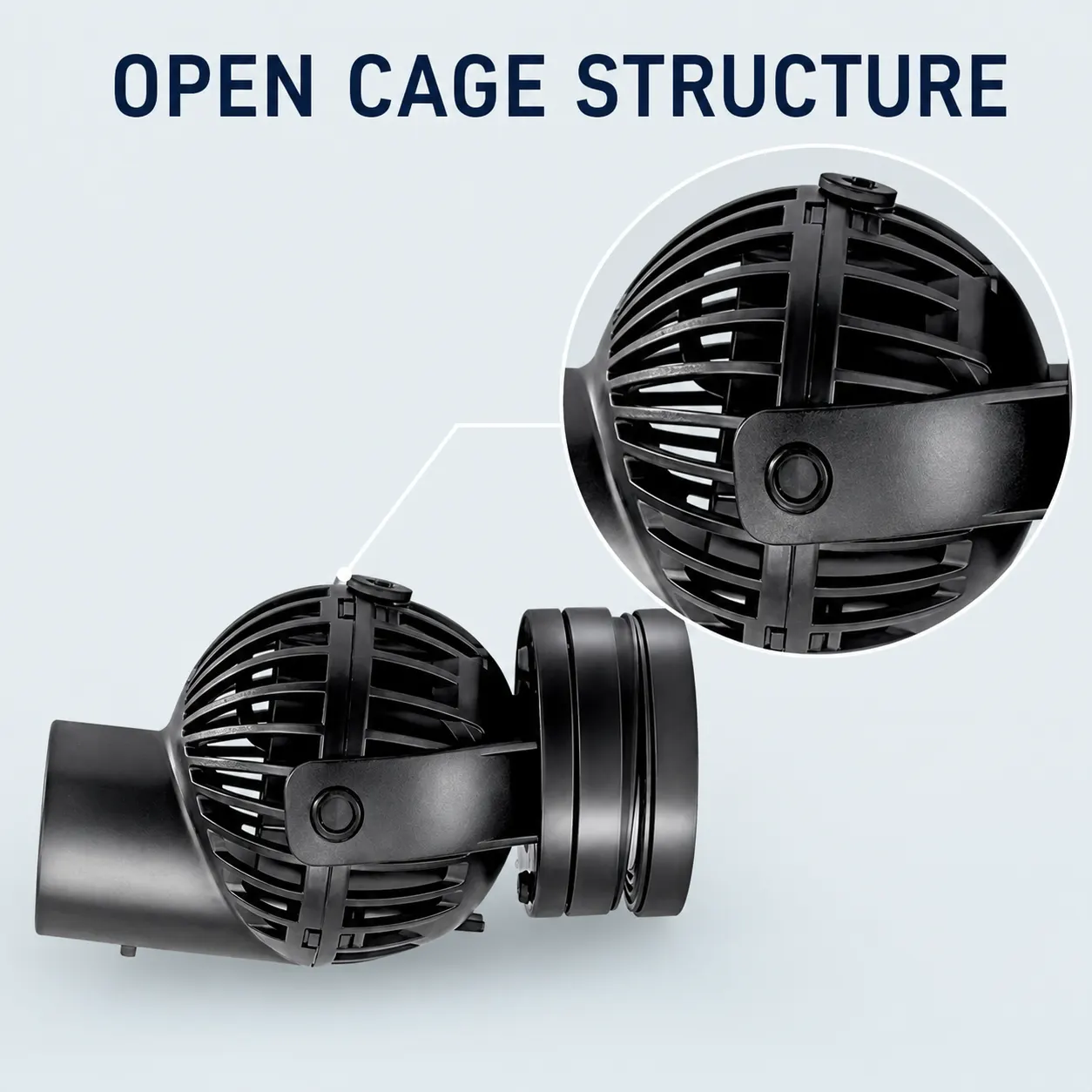
Aquarium Wave Maker Pump detail view

An aquarium circulation pump for planted tank use makes sense when the same pocket of detritus keeps appearing after water changes, especially behind bogwood, stones, dense planting or the lower back corner of the aquarium. The quick answer is to treat it as a targeted flow tool, not as a replacement filter. If your filter is working but its outlet cannot push water around the planted layout, a wave maker pump can help move suspended debris back into the general water column where normal filtration and maintenance have a better chance of dealing with it.

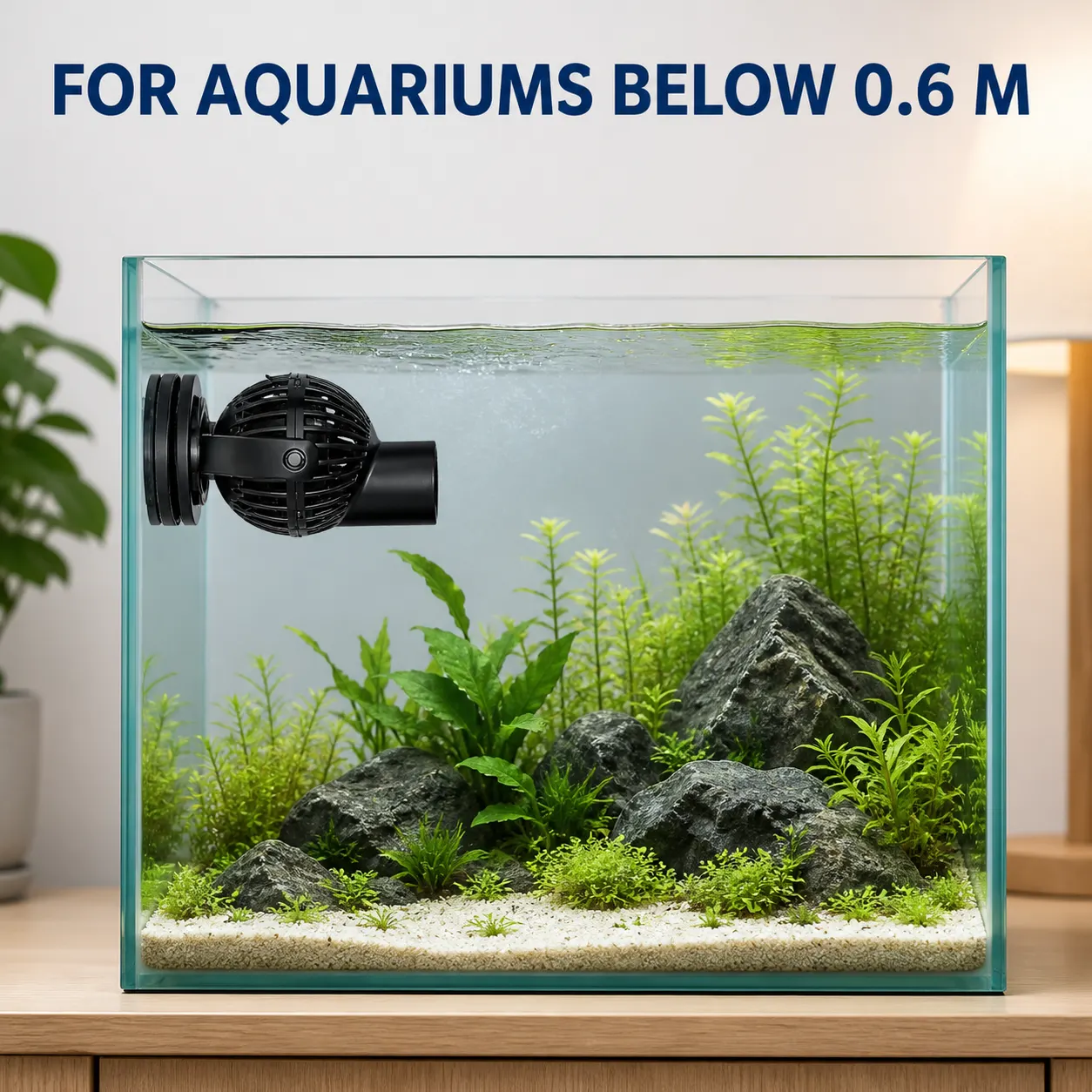
In a compact UK home tank, the decision should begin with observation rather than power. Watch where fine particles settle after feeding, trimming plants or lightly disturbing the substrate. If waste lands in one predictable place on your Manchester kitchen worktop tank, the problem is probably flow pattern rather than overall cleanliness. The Jebao CWP-6000L/H is listed as a wave maker pump, with a selected manual variable-frequency option and a SKU noted for aquariums below 0.6 m, so the relevant buying question is whether that documented size fit and manual control suit the tank you actually have.

Read the planted tank layout before adding more movement

Plants, wood and stones make flow behave differently from an empty glass box. A filter outlet may seem strong at the surface but lose direction when it meets tall stems, a branch of wood, a mound of hardscape or a thick planting area near the back. In a planted tank, the most useful circulation is often not a dramatic wave. It is a gentle redirection that stops debris from settling in one sheltered pocket while leaving calmer places where fish can pause and behave normally.

Before buying or fitting a pump, map the tank in plain terms. Mark the filter outlet, the filter intake, the main plant mass, the hardscape, the visible dirty pocket and the fish resting areas. This can be done during a normal water change at the kitchen sink, when the tank is already being disturbed. If the dead spot sits behind a stone or at the base of wood, a circulation pump may help by pushing across or around the obstruction. If waste is everywhere, or the filter intake is blocked, undersized or poorly maintained, a wave maker is not the first fix.

Check the documented pump facts against a tank below 0.6 m

The frozen product facts for this option are narrow, so the checks should stay narrow too. The product is a Jebao CWP-6000L/H Aquarium Wave Maker Pump. The saved SKU identifies it as a manual variable-frequency configuration, lists it for aquariums below 0.6 m, identifies the category as a wave maker pump and lists plastic material. Those are the facts a cautious buyer can use. They do not prove that it suits every planted tank, every fish species or every aquascape, but they do give you a starting boundary for size and purpose.

The number 6000L/H can sound large if you are thinking only about small freshwater fish, but the product is still a circulation device rather than a filter. That means placement and manual adjustment matter. For a planted aquarium under 0.6 m, avoid thinking in terms of blasting the dirty corner. Instead, think about whether you can aim flow across the front glass, along the back wall or across a hardscape face so movement spreads rather than hits one plant clump directly. If the tank has delicate stems, loose substrate or shy fish, the ability to reduce or reposition flow is central to the decision.

Avoid the mismatch where stronger flow creates a new problem

The wrong use case is a tank where fish are already struggling with existing current. If small tetras, gouramis, angels, apistos or other slower-water community fish are hiding, leaning into flow or avoiding one side of the aquarium, adding a wave maker without changing the layout can make the tank less comfortable. A circulation pump should solve a dead spot, not remove every calm area. In a planted community tank, a good result is usually mixed movement: enough circulation to keep debris from lodging behind decor, with sheltered zones still available.

Another mismatch is expecting a wave maker pump to fix maintenance or filtration problems. It does not replace cleaning, plant trimming, filter care or sensible feeding. It also does not remove debris from the system by itself. It simply changes where water and particles move. If mulm gathers because plant leaves are decaying, food is being overfed or the filter intake is clogged, those jobs come first. If the dead spot remains after those basics are handled, then a compact wave maker becomes a more reasonable tool rather than an impulse purchase.

Use this kitchen worktop checklist before fitting the pump

Start with a practical check while the tank is still full and visible from your normal viewing angle. Size: confirm the aquarium is within the documented below 0.6 m listing for the selected SKU. Surface: look at whether floating plants, surface film or filter outlet movement already show circulation across the top. Setup: note where the filter outlet and intake sit, because the pump should work with that path rather than simply collide with it. Content: identify the plants, wood and stones that interrupt the flow. Environment: check whether fish already use a calm corner as a resting area. Aftercare: plan to observe the tank after fitting, not just switch it on and walk away.

A simple sequence is to clean the known dirty pocket first, then wait and observe where particles collect again. If they return to the same place, place the wave maker so it moves water across the obstruction rather than straight into the substrate. Begin with the gentlest manual setting available on the selected configuration and watch plant leaves, loose debris and fish behaviour. If stems bend flat, substrate shifts or fish avoid the whole side of the tank, reduce the output or change the angle. The useful result is not maximum visible motion; it is fewer settled pockets after the tank has run normally.

Compare pump placement choices around plants, wood and filter flow

For a planted tank with wood in the centre, a side-wall position can send water along the length of the aquarium and around the hardscape. This may help if detritus collects behind the wood or in the lower back corner. For a tank where tall stems block the filter outlet, a back-wall position angled gently across the rear can stop debris lodging at the base of the plants. For a tank with fish that rest near one end, placing the pump away from that zone may keep a calmer area available while still improving movement elsewhere.

Do not judge placement only by the first minute after switching on. Freshly disturbed particles will move differently from settled waste. Watch the tank after feeding, after plant trimming and after a normal maintenance session. If the pump simply drives waste into another hidden pocket, the angle is wrong. If it pushes debris towards the filter intake without making plants look flattened, it is doing the right job. In a small planted aquarium, a few centimetres of position change can matter more than choosing a stronger setting.

Know who should pause before buying this wave maker pump

You should pause if your tank is longer than the documented below 0.6 m fit for the selected SKU, because the frozen facts only support that listed size context. You should also pause if you need a product with documented kit contents, named accessories or detailed installation steps, because those are not provided in the available facts here. The known material listing is plastic, and the known category is wave maker pump, but there are no public facts in this input about suction guards, controller details, noise level, certifications or species-specific safety outcomes.

It is also worth pausing if the real problem is unclear. A planted tank can look dirty because of melting leaves, overfeeding, disturbed substrate, poor filter maintenance or a blocked intake, not only because of a dead spot. The strongest reason to buy a circulation pump is repeatability: the same waste pocket appears in the same sheltered place after sensible maintenance. If that pattern is not there yet, spend one more maintenance cycle observing the tank. That extra check costs nothing and can stop you buying flow when the actual fix is trimming, cleaning or changing the filter outlet direction.

Take the next step with a small test, not a full rescape

If the documented facts match your tank size and the problem is a repeated dead spot, the next step is modest: plan one controlled placement test. The Jebao CWP-6000L/H Aquarium Wave Maker Pump is priced at £28.90 in the provided commerce facts, with VAT included and Free UK Delivery listed for eligible United Kingdom orders. Treat that information as buying context, not as proof of suitability. The suitability check still belongs at the aquarium, where you can see the plants, fish behaviour and detritus pattern.

When the pump is fitted, keep the first assessment practical. After a water change, place it so the flow works around the hardscape, start low on the manual variable-frequency option, then watch the tank over a normal evening in the kitchen rather than making constant changes. Look for three signs: debris no longer settles in the old pocket, plants are moving rather than being pressed flat, and fish still have somewhere calm to rest. If those three are present, the pump is helping. If one fails, adjust position before assuming the pump is wrong.